Does the Captain Really Fix a Losing Streak? A Practical Review of 32wins.org on Dressing Room Morale
Your team has lost four games in a row. The manager keeps saying the squad has “character.” The captain gives an interview asking for patience. And yet the same mistakes appear every weekend. If you have searched for answers, you have probably landed on a football analysis site promising to break down the dressing room dynamic. The problem is that most of these articles sound confident while offering almost nothing you can check.
This is exactly the kind of topic that appears on sports portals such as 32wins.org. The site publishes tactical reviews, team news, and opinion pieces about performance. Some of that content is helpful for casual fans. Some of it, however, turns a single player’s influence into a convenient story. This review examines how the site approaches the captain’s role in dressing room morale during losing streaks, and more importantly, how you can verify whether those claims hold up.
Why Everyone Looks for a Leadership Story When Results Collapse
When a team loses repeatedly, the search for a single explanation becomes almost irresistible. The goalkeeper made a mistake. The striker missed chances. The manager picked the wrong formation. But the most emotionally satisfying explanation is often the captain’s personality. A leader who “lost the dressing room” sells more headlines than a detailed analysis of xG or pressing triggers.
That does not mean the captain is irrelevant. It means the way the question is framed matters. If you search for the captain’s influence on morale, you are really asking a deeper question: can one individual change the emotional state of a group? The honest answer is yes, but only within limits. Those limits depend on the squad’s trust in the captain, the manager’s authority, and the underlying reasons for the losing run.
The Gap Between What Fans Want and What Data Shows
Supporters want a clean narrative. A captain who slams a water bottle in the dressing room, gives a fiery speech, and then leads the team to a 3-0 win makes perfect sense as a story. Real dressing rooms are messier. Morale is influenced by fatigue, fixture congestion, transfer rumours, playing time disputes, and personal problems that never reach the press.
A serious article on this topic should acknowledge those variables. A lazy one simply repeats the old clichés about “leadership qualities” and “character.” When reviewing 32wins.org, the first thing to look for is whether the author treats the captain as a cause or as a symptom.
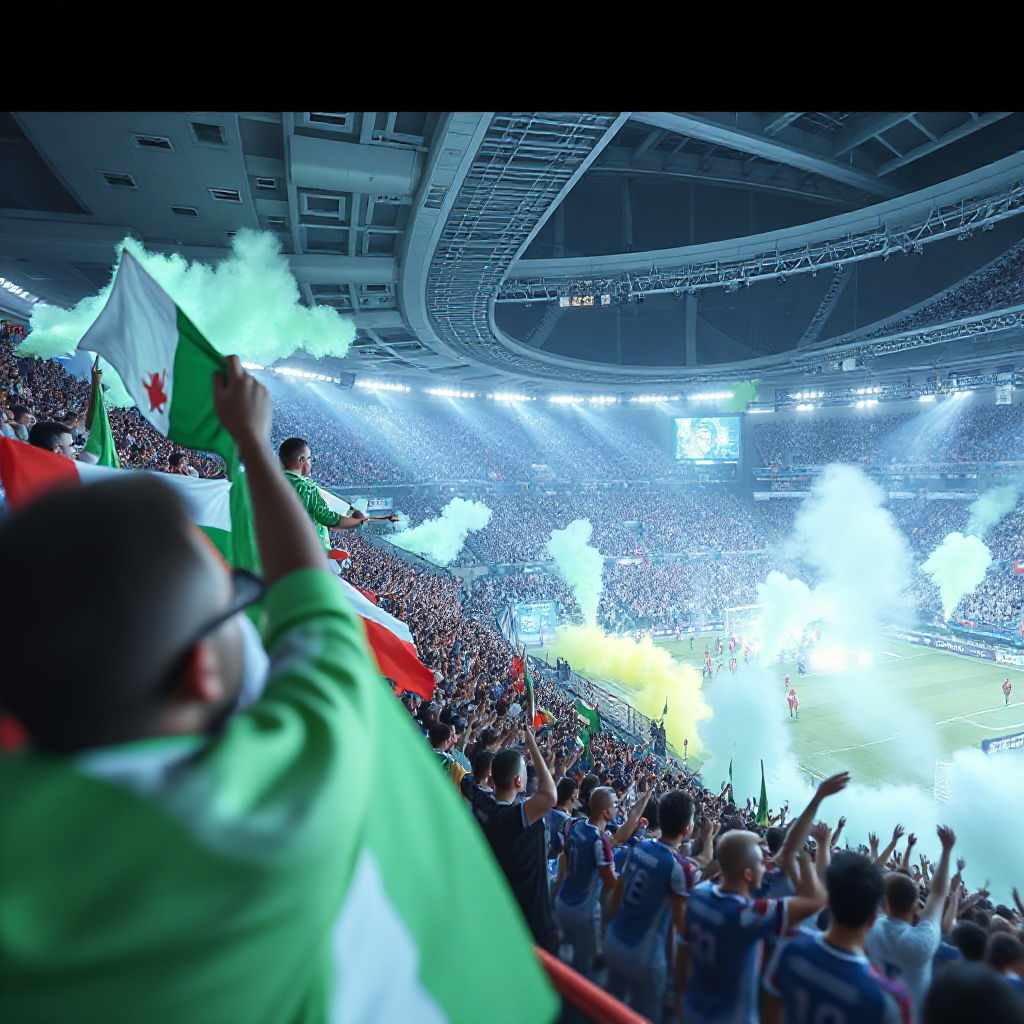
 Hình minh hoạ: 32WIN
What 32wins.org Actually Covers Around Leadership and Morale
The site presents itself as a football reference point for users who want match analysis, news, and tournament updates. In the context of a losing streak, its articles tend to focus on dressing room atmosphere, captain statements, and tactical adjustments. That framing is reasonable. The challenge is separating analysis from assertion.
If you spend time on the portal, you will notice that the more detailed pieces include references to recent performances, manager comments, and squad rotation. These are useful building blocks. What is often missing is a clear explanation of how the author measured morale in the first place. Nobody can interview every player, and public comments are rarely honest. So the writer is interpreting social media posts, press conferences, and body language from pitch-side cameras. That is interpretation, not fact.
For context, 32WIN belongs to a broader network of sports and gaming content that tries to keep readers engaged through season-long storylines. That means the site has a commercial reason to make leadership drama sound more dramatic. As a reviewer, I would not call that a failure. I would call it a reminder that every claim should be tested before you repeat it to your friends.
The practical question is not whether the site is “correct.” It is whether the articles give you enough evidence to decide for yourself. Some do. Many do not. The checklist below is designed for exactly that situation.

A Checklist to Deconstruct the “Captain Effect” Claims
Before trusting any article about a captain saving or destroying a dressing room, work through the following steps. They take about ten minutes and will save you from repeating misleading takes.
- Identify the specific claim. Write down what the article says the captain did. Did he organise a team meeting? Did he demand a tactical change? Did he publicly defend a struggling teammate? A vague claim (“he lifted the mood”) is harder to verify.
- Look for a timeline. The claim only matters if it is connected to a clear moment. Did morale improve immediately after his speech, or did the team stumble for another three games? The article should show that timeline.
- Ask who benefits from the story. A captain with a strong media reputation benefits from stories about his leadership. A manager who wants to avoid blame benefits from stories about player-driven morale. A betting site benefits from engaged readers who return daily. Understanding the author’s position helps you weigh the bias.
- Check for alternative explanations. A losing streak often ends because a key player returns from injury, the schedule gets easier, or the manager simplifies the tactics. If the article credits the captain alone, it has ignored competing explanations.
- Look for physical cues, not just quotes. Real leadership shows up in small things: how the captain walks into mixed zones, how he communicates with the referee, how quickly he collects teammates after a goal conceded. These details are observable. A quote with no observable detail is just PR.
- Compare multiple sources. If the captain is genuinely important to morale, several journalists and players will mention it in different contexts. One article on one portal is not enough.
A Claim-by-Claim Verification Table
| Common claim in articles | What you should verify | Why it matters |
|---|---|---|
| “The captain restored unity in the dressing room.” | Specific actions, meeting minutes leaking, player interviews, changed body language in training footage. | Unity is invisible. Without a concrete action, the claim is guesswork. |
| “His speech changed the season.” | Result timeline before and after the speech. Also check fixture difficulty and injuries. | Correlation is not causation. A weaker run of fixtures can create the illusion of a turning point. |
| “The captain lost the dressing room.” | Evidence of player disputes, transfer requests, dropped performances from previously loyal players. | This claim is often used to justify a sale or a management change. It can be a convenient narrative. |
Signs of a Credible Leadership Analysis
Not every article on the captain’s influence has to be treated with suspicion. The ones worth your time share certain features. They quote the manager and the captain with full context. They mention specific matches where leadership visibly mattered. They also admit when the evidence is unclear.
A reliable piece will often contain a sentence like “we cannot know the dressing room mood from outside” or “this is speculation based on available interviews.” That honesty is a good sign. In contrast, a low-quality article states that the captain is “clearly loved” or “obviously hated” with no proof. These sentences are red flags.
You should also pay attention to how the author uses statistics. If the article links morale to results, it should show the results over a full period, not just the final score of one dramatic match. A captain can give the best speech of his life and still lose the next game because the opposition is simply better.

The Hidden Risks in Every Leadership Story
There is a deeper problem with the idea that the captain is the main force behind morale. It creates a convenient scapegoat when things go wrong and a convenient hero when things go right. That pattern is dangerous for fans because it shifts attention away from the structural issues that actually determine results.
A captain does not buy players. He does not design the training programme. He does not choose the back four for a crucial match. He can influence the mood around those decisions, but he cannot correct systemic problems. If a squad is unbalanced, or the medical department is causing repeated injuries, or the owner is making hostile public statements, the captain’s motivational skills will only do so much.
There is also a confirmation bias at work. When a team wins after a captain’s interview, fans remember it. When the same team loses the following week, the leadership story disappears from the headlines. To verify the captain’s real impact, you must keep counting across the entire losing streak, including the quiet moments that do not generate dramatic articles.
Before you rely on any analysis from this site, check the chính sách bảo mật người dùng tại 32win to understand how your data is collected when you browse the content. This matters because sites with strong engagement incentives often use tracking and personalised recommendations. Understanding that relationship helps you stay critical of what you read.
Two Types of Evidence You Should Demand
When you read an article about a captain lifting morale, separate the evidence into two groups.
- Observable actions: The captain speaking to a teammate after a missed penalty, organising a defensive huddle, or publicly deflecting criticism from a young player. These are things cameras and journalists can record.
- Internal states: The actual emotional feeling of the dressing room. This is almost impossible to verify from outside. Even when a player says “the mood is good,” they are performing for the media.
Articles that rely heavily on internal states without observable actions are essays, not reports. That is not necessarily a bad thing. But you should treat them as opinion, not as evidence.
Red Flags in Leadership Coverage
| Red flag | Why it is misleading |
|---|---|
| The captain is given credit for every positive change. | Turns a complex performance into a personality cult. |
| The captain is blamed for every negative result. | Ignores tactical, physical, and managerial causes. |
| No third-party sources are quoted. | Self-contained narratives are impossible to cross-check. |
| Words like “obviously” or “clearly” appear in every paragraph. | They substitute certainty for evidence. |

Frequently Asked Questions About the Captain’s Role in a Losing Streak
Can one captain truly change the morale of a professional squad?
He can influence it, but he is one factor among many. The strongest influence comes from a combination of the captain, the senior players, the manager, and the club’s daily routine. A captain who is trusted can stabilise emotions, but he cannot create talent or fix broken tactics.
How long does a captain have to turn around a losing streak?
There is no standard timeline. Some teams respond within one match because the underlying problem was small. Others need a transfer window to change the squad. If an article promises a quick turnaround, it is simplifying the situation to fit a dramatic arc.
Should a captain be dropped during a poor run?
That depends on why the team is losing. If the captain’s individual form has collapsed, dropping him may protect the group. If his form is fine and the problem is collective, removing him only adds another variable. The decision should be based on performance data, not on a storyline about leadership.
How do sites like 32wins.org gather their dressing room information?
They rely on press conferences, official club interviews, journalist leaks, and social media activity from players. That is indirect evidence. It should be labelled as such. When a site presents indirect evidence as direct knowledge, the reader should adjust their trust level accordingly.
The Conditional Verdict: When the Captain Matters and When He Does Not
If you are looking for a single answer to the question, here it is: the captain’s influence on dressing room morale during a losing streak is real, but it is conditional. He matters most when the squad is already united, when the manager supports his authority, and when the underlying problems are emotional rather than structural. He matters least when the team is being outplayed tactically, when key players are injured, or when the football itself is not good enough.
For the content on 32wins.org, the verdict is similar. The site can be a useful starting point for understanding the story around a losing run. Its articles quote the relevant people and point you toward the main talking points. But you should treat every emotional claim as a hypothesis, not a conclusion.
Use the checklist above every time you read a leadership story. Ask who benefits from that narrative. Look for observable actions. Compare the claim to the fixture list. If the article passes those tests, share it with confidence. If it does not, keep searching.
And if you are a fan of a team in the middle of a bad stretch, remember this: morale is built in training, maintained in the dressing room, and tested on the pitch. No captain can do all of that alone. The sooner we stop expecting him to, the closer we get to seeing the game clearly.